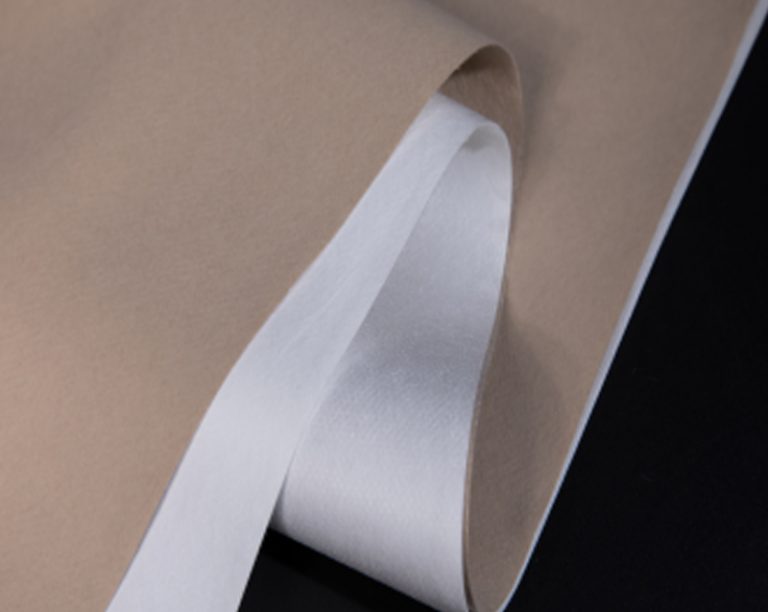
The Art of Seamless Bonding: A Comprehensive Guide to Selecting Hot Melt Adhesive Films for Apparel
Sub-headline: From high-elasticity sportswear to heavy-duty outerwear, learn how to match the right adhesive technology with modern textile challenges.
In the era of “Smart Manufacturing” and “Seamless Fashion,” the transition from traditional stitching to thermal bonding has revolutionized apparel design. However, for many manufacturers, moving away from the sewing machine brings a new set of technical hurdles. At CN-HMA, we believe that a perfect bond is not just about the adhesive—it is about the synergy between material science and process control.
1. Real-World Challenges: Why Do Bonds Fail?
Through years of supporting global apparel supply chains, we have identified that most bonding failures (such as delamination after washing or “glue ghosting” on light fabrics) stem from a mismatch between the film’s polymer base and the fabric’s surface energy.
Whether you are working with DWR (Durable Water Repellent) treated nylons or high-lycra content yoga wear, the “one-size-fits-all” approach no longer applies.
2. Technical Expertise: Choosing the Right Polymer Base
To achieve an industrial-grade bond, you must understand the chemical properties of the adhesive film. Here is a breakdown of the three pillars of apparel bonding:
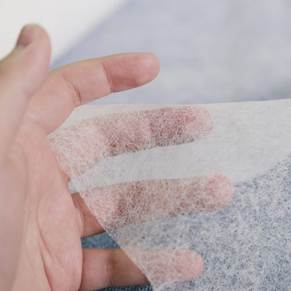
A. TPU (Thermoplastic Polyurethane) – The Elastic Powerhouse
-
- Best For: Activewear, seamless underwear, and compression gear.
-
- Why it works: TPU offers exceptional elongation and recovery. It moves with the fabric, ensuring that the wearer feels no restriction.
-
- Pro Tip: For ultra-thin fabrics, we recommend our Low-Modulus TPU series to prevent the “stiffening” effect often seen in low-quality films.
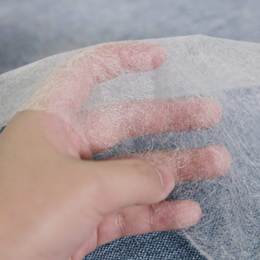
B. PA (Polyamide) – The Dry-Cleaning Expert
-
- Best For: Shirt collars, suit interlinings, and industrial workwear.
-
- Why it works: PA films have excellent resistance to oils and dry-cleaning solvents. They maintain a high melting point, ensuring structural integrity even under high-heat ironing.
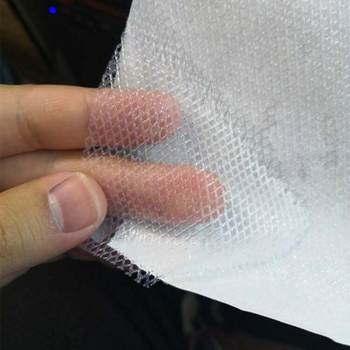
C. PES (Polyester) – The Cost-Effective Specialist
-
- Best For: Polyester-based garments and embroidery patches.
-
- Why it works: It offers superior affinity to polyester fibers, providing a permanent bond at a competitive price point.
3. The “Golden Triangle” of Application Parameters
Even the highest quality film requires precise application.
-
- Temperature ($T$): The bond line temperature must reach the specific “Flow Point” of the resin (typically $10$–$20$°C above the melting point) to allow the adhesive to anchor into the fabric fibers.
-
- Pressure ($P$): Uniform pressure is critical. Too much pressure causes “strike-through” (glue seeping through the fabric), while too little prevents mechanical interlocking.
-
- Time ($t$): Dwell time ensures the heat penetrates through the fabric layers to the film core.
4. Trust & Compliance: Safety Beyond the Bond
In today’s market, a strong bond is not enough; the product must be safe for the skin and the environment. CN-HMA hot melt films are engineered with sustainability in mind:
-
- DVOCs: Our $100\%$ solid-state films contain no solvents, protecting both your workers and the end consumer.
-
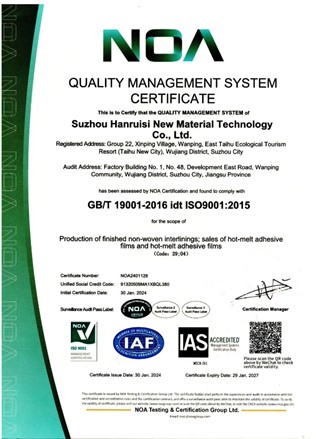
- Certified Quality: Our products meet OEKO-TEX® Standard 100 (Class I) requirements, making them safe even for infant clothing.
-
- Durability Tested: Our apparel series is lab-tested to withstand $50+$ wash cycles at $40$°C with less than a $10\%$ loss in peel strength.
Conclusion: Partner with a Specialist
Selecting the right hot melt adhesive film is a strategic decision that impacts your brand’s reputation for quality. At KETAEBO, we don’t just supply film; we provide bonding solutions.
Ready to optimize your production?
Contact our technical team today for a Free Peel Strength Lab Test on your specific fabric samples. Let’s build a seamless future together.
Visit us at www.cn-hma.com to explore our full range of TPU, PA, and PES solutions.